

Learn how parents can support young soccer players after games—win or lose—by making the ride home a safe, positive, and pressure-free space.
What parents say after a game can shape a child’s confidence, enjoyment, and relationship with soccer. Learn how to become the calm, neutral source of support every young athlete needs.

For many young athletes, the most difficult part of game day does not happen on the field. It happens in the car afterward.
A child may leave a game feeling proud, disappointed, frustrated, embarrassed, excited, or physically and emotionally exhausted. Within minutes, they are sitting next to a parent whose opinion matters more to them than almost anyone else’s.
That is why the ride home is so important.
At Real Boston FC, we believe parents have a powerful role in a player’s development. Coaches are responsible for teaching the game, correcting mistakes, and helping players improve. Parents have a different—but equally important—responsibility: to be a calm, neutral, and dependable source of support.
Whether the team wins or loses, the ride home should feel like a safe place.
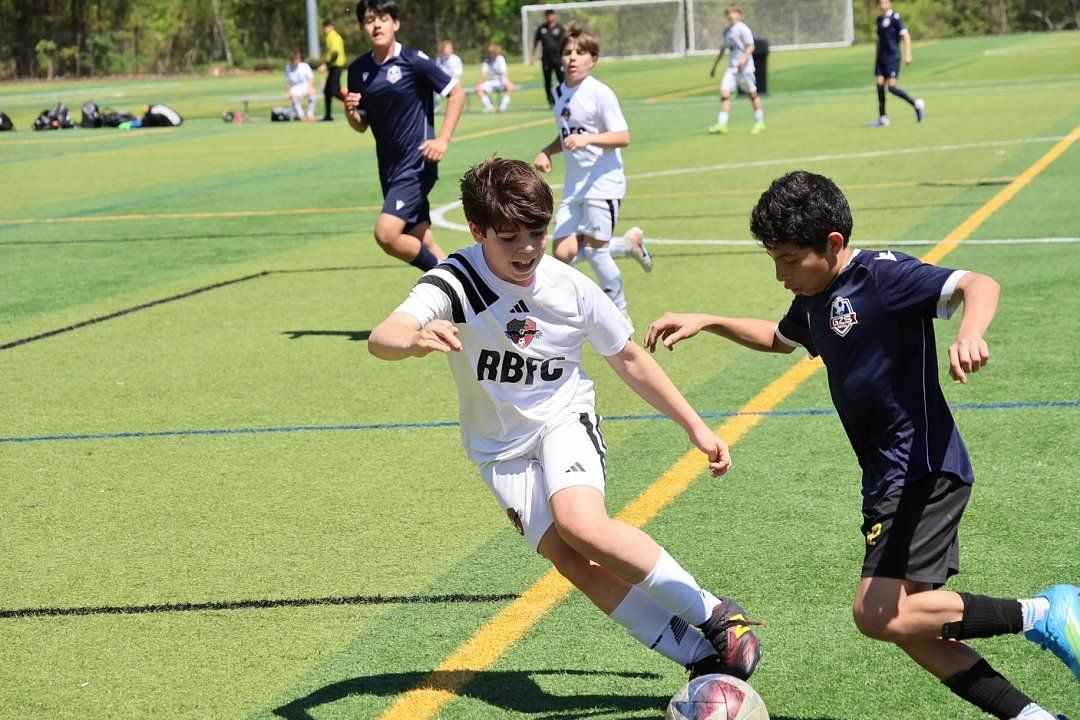
The support children receive after a game is just as important as the instruction they receive on the field.
Your Child Needs a Parent First
It is natural for parents to become emotionally invested in their child’s performance.
You may notice a missed pass, a poor decision, a lack of effort, limited playing time, or something the referee or coach did that you disagree with.
But immediately after the game is rarely the best time to analyze those things.
Your child has already received instructions from the coach, pressure from the competition, and feedback from the game itself.
When the final whistle blows, they usually do not need another coach in the car. They need their parent.
The most helpful message is simple:
> “I love watching you play.”
That sentence tells your child that your support is not based on the score, the number of goals they scored, or how many minutes they played.
Give Them Time to Process
Not every child wants to talk immediately after a game. Some players are ready to share every detail.
Others need time and silence before they can explain how they feel.
Parents should follow the child’s lead.
You can open the door gently by asking:
- “How are you feeling?”
- “Do you want to talk about the game now or later?”
- “What did you enjoy today?”
- “Is there anything you want me to know?”
If your child says very little, that is okay. Silence does not mean something is wrong.
It may simply mean they are still processing the experience.
A quiet ride home with a supportive parent can be more valuable than a detailed conversation filled with advice.
Avoid the Postgame Interrogation
Questions can feel supportive to an adult but sound like criticism to a child—especially when several are asked quickly.
Try to avoid turning the ride home into an interview:
- “Why didn’t you pass the ball?”
- “Why were you playing so far back?”
- “What happened on that goal?”
- “Why didn’t the coach play you more?”
- “Did you hear what I was telling you from the sideline?”
Even when these questions come from a good place, they can make a child feel that they are being evaluated every time they play.
Over time, that pressure can reduce confidence, increase fear of mistakes, and take away the joy of the game.
Children learn through mistakes. A player who is afraid of disappointing a parent may begin choosing the safest option instead of playing with confidence and creativity.
After a Loss
Losses are part of sports, and they can be important learning experiences.
But children do not need every lesson explained immediately.
If your child is upset, acknowledge the emotion without trying to fix it right away:
- “I know that was disappointing.”
- “It’s okay to be upset. You cared about the game.”
- “I’m proud of the way you kept going.”
- “One result does not define you.”
Avoid blaming teammates, referees, or coaches. That may provide short-term comfort,
but it can teach the player to look for excuses instead of developing resilience and personal responsibility.
The goal is not to pretend the loss does not matter. The goal is to show your child that difficult emotions are normal and that your support remains steady.
After a Win
Winning can create pressure too. When the conversation focuses only on goals, assists, or the final score,
children may begin to believe that success is the only way to earn approval.
Celebrate the experience, but also recognize qualities that support long-term development:
- Effort
- Teamwork
- Courage
- Communication
- Sportsmanship
- Responding positively after a mistake
- Trying something new
You might say:
- “You looked like you had fun today.”
- “I loved how you encouraged your teammates.”
- “I noticed that you kept working even when the game became difficult.”
- “What was your favorite moment?”
This helps children understand that a strong performance is about much more than the scoreboard.
When Your Child Did Not Play Well
Every player has difficult games. Sometimes children already know they did not perform at their best.
Repeating every mistake usually does not increase their awareness—it only adds embarrassment or frustration.
Resist the urge to provide an immediate list of corrections. Instead, remind them that one performance is only one moment in a much longer developmental journey.
You can say:
- “Everyone has tough games.”
- “You will have another opportunity at the next practice.”
- “Mistakes are part of learning.”
- “I’m always on your side.”
If the child wants technical feedback, encourage them to speak with their coach.
This reinforces a healthy relationship between player and coach while allowing you to remain the stable parent they need.
When You Have Concerns About Coaching or Playing Time
The ride home is not the right place to criticize a coach, teammate, or club in front of your child.
Even if a concern is valid, emotional postgame comments can place the player in the middle and damage trust.
If you have a question about playing time, position, development, or coaching decisions, wait until emotions have settled and follow the club’s communication process.
Speak directly and respectfully with the coach at the appropriate time—not through your child and not immediately after the game.
Adults should handle adult conversations. Children should be allowed to enjoy being players.
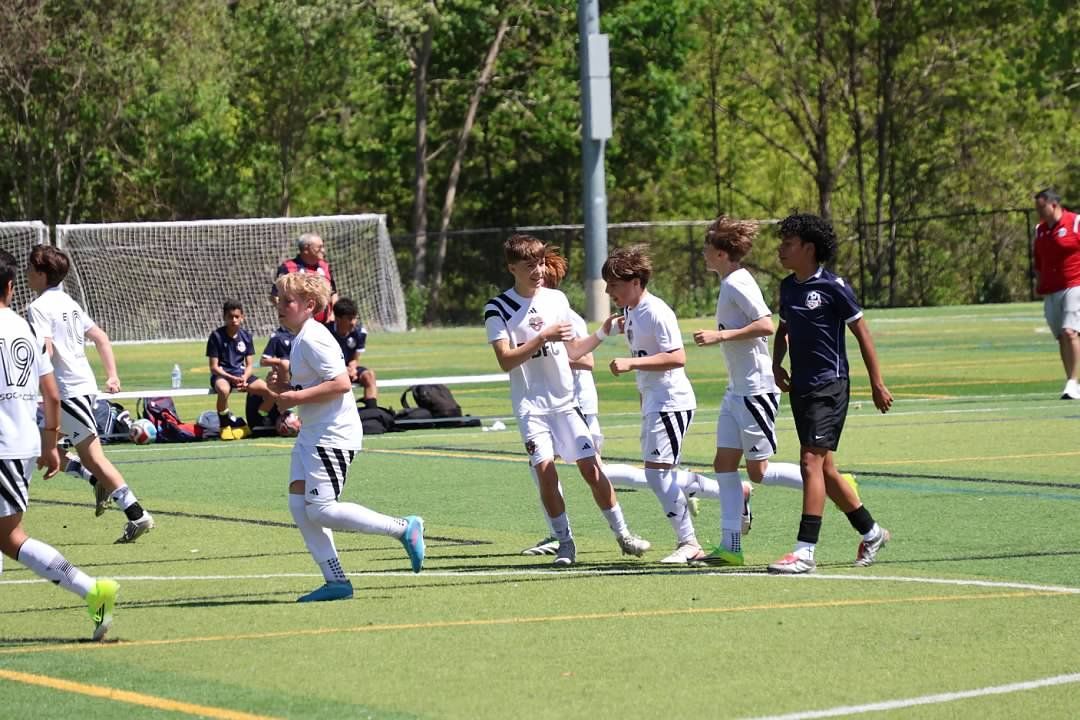
Win or lose, young athletes should leave the field knowing their family’s support remains the same.
## A Simple Ride-Home Routine
Parents do not need a perfect speech. A simple routine is often best:
1. Reconnect: “I’m happy to see you. I loved watching you play.”
2. Check in: “How are you feeling?”
3. Listen: Let your child speak without interrupting or correcting.
4. Support: Recognize effort, courage, or teamwork.
5. Move forward: Talk about food, music, family plans, or something completely unrelated to soccer.
This routine shows children that soccer is an important part of life, but it does not control the entire relationship.
## The Words Children Remember
Years from now, most young players will not remember the score of every game. They may not remember every pass, missed opportunity, or coaching decision.
But they will remember how the experience made them feel.
They will remember whether the car felt safe after a bad game. They will remember whether a parent’s mood changed after a loss. They will remember whether they felt free to make mistakes—or whether every mistake followed them home.
Parents do not have to ignore poor effort, avoid difficult conversations, or praise everything their child does. Accountability matters. Timing and delivery matter too. A thoughtful conversation later, when everyone is calm and the child is ready, will almost always be more productive than an emotional reaction immediately after the game.
At Real Boston FC, we want our players to become confident athletes, strong teammates, resilient people, and lifelong lovers of the game. Coaches and parents must work together to create that environment.
After the final whistle, let the coach’s voice become quieter and the parent’s support become stronger.
Win or lose, make the ride home a place where your child knows one thing for certain:
You are proud to be their parent, and your love and support do not depend on their performance.
Real Boston FC is committed to developing players in a positive, competitive, and supportive environment. To learn more about our teams, clinics, and player-development programs, visit [www.realbostonfc.com](https://www.realbostonfc.com)